The Art of Cooking with Saffron and Turmeric
- Saffron & Turmeric

- May 18
- 4 min read
There is a quiet magic in the kitchen when we bring together the golden hues of turmeric and the delicate threads of saffron. These two spices, steeped in history and tradition, offer more than just color and flavor. They invite us to explore a world where cooking becomes an art form - a dance of aroma, taste, and healing properties. As we embark on this culinary journey, let us discover how to use these treasures thoughtfully and skillfully, transforming everyday meals into memorable experiences.
Embracing the Essence of Cooking with Saffron and Turmeric
Cooking with saffron and turmeric is about more than just adding spices to a dish. It is about understanding their unique qualities and respecting their origins. Turmeric, with its warm, earthy flavor and vibrant yellow color, has been a staple in Indian kitchens for centuries. Saffron, the world’s most precious spice, offers a subtle floral aroma and a rich golden hue that elevates any recipe.
When we cook with these spices, we must remember a few key principles:
Use sparingly: Both saffron and turmeric are potent. A little goes a long way.
Bloom the spices: Gently heating them in oil or water releases their full flavor and color.
Pair wisely: They complement ingredients like rice, lentils, chicken, and vegetables beautifully.
Balance flavors: Their intensity pairs well with mild, creamy, or tangy elements.
By following these guidelines, we create dishes that are not only visually stunning but also layered with complex, inviting flavors.
Practical Tips for Cooking with Saffron and Turmeric
Let’s dive into some practical advice that will help us master the art of cooking with these spices:
Saffron Preparation
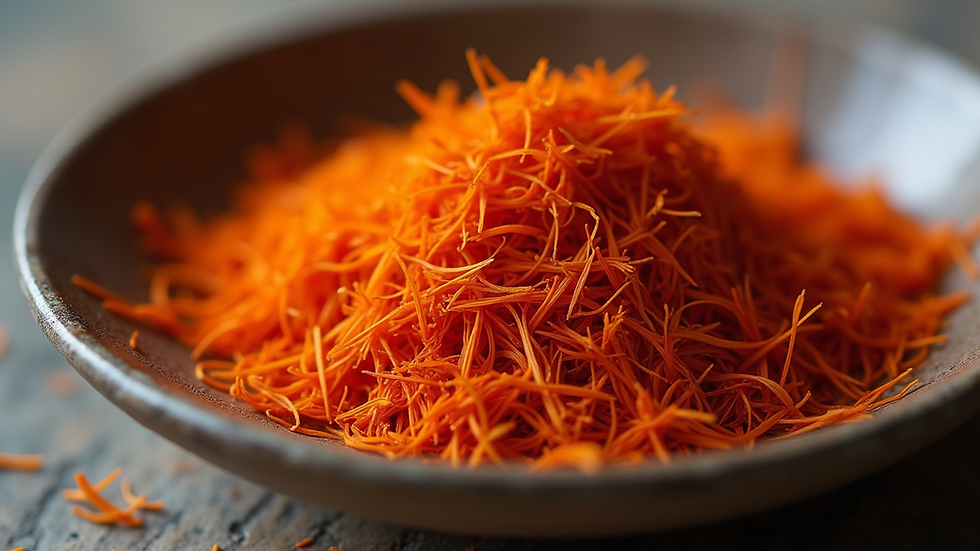
Before adding saffron to your dish, soak a few threads in warm water, milk, or broth for 10-15 minutes. This step unlocks its color and aroma, allowing it to infuse the dish evenly.
Turmeric Usage
Turmeric powder can sometimes taste bitter if overused. Start with a small pinch and increase gradually. For a more vibrant color and flavor, try fresh turmeric root, finely grated.
Cooking Techniques
Tempering: Heat oil or ghee and add turmeric early in the cooking process to release its earthy notes.
Simmering: Add saffron towards the end of cooking to preserve its delicate aroma.
Rice Dishes: Both spices shine in biryanis and pilafs, where their colors create a feast for the eyes as well as the palate.
Storage
Keep saffron in an airtight container away from light and moisture to maintain its potency. Turmeric powder should be stored similarly, but fresh turmeric root is best used within a week.
By incorporating these tips, we ensure that every dish we prepare with saffron and turmeric is a celebration of flavor and tradition.
Can Turmeric Reduce Itchy Skin?
Beyond the kitchen, turmeric has long been valued for its healing properties, particularly in skincare. Its active compound, curcumin, is known for anti-inflammatory and antioxidant effects. But can turmeric reduce itchy skin?
Scientific studies and traditional remedies suggest that turmeric can soothe irritated skin and reduce itching caused by conditions like eczema, psoriasis, and insect bites. Applying turmeric topically in the form of a paste or using skincare products containing turmeric may help calm inflammation and promote healing.
However, it is important to:
Perform a patch test before applying turmeric to sensitive skin.
Use turmeric in combination with other soothing ingredients like honey or aloe vera.
Consult a healthcare professional for persistent or severe skin issues.
While turmeric’s benefits extend beyond cooking, its role in holistic wellness reminds us of the deep connection between food and health.

Elevating Events with Authentic Indian Flavors
When planning an event, the choice of cuisine can set the tone and create lasting memories. Incorporating saffron and turmeric into the menu offers a unique opportunity to present authentic Indian flavors that are both wholesome and elegant.
Imagine serving a saffron-infused biryani, where each grain of rice is kissed by the golden threads, or a turmeric-spiced lentil dal that comforts and nourishes. These dishes not only delight the senses but also convey a story of tradition and care.
To make the most of these spices in catering:
Customize the spice levels to suit your guests’ preferences.
Highlight the health benefits subtly, as many appreciate wholesome ingredients.
Pair dishes thoughtfully, balancing rich and light options.
Present with care, using garnishes like fresh herbs and nuts to enhance visual appeal.
By weaving saffron and turmeric into your event’s culinary narrative, you create an experience that resonates deeply and leaves a warm impression.
Bringing Warmth and Wellness to Every Meal
In our daily lives, cooking with saffron and turmeric offers a chance to nourish both body and soul. These spices invite us to slow down, appreciate the colors and aromas, and connect with a rich culinary heritage.
Whether we are preparing a simple turmeric-spiced vegetable curry or a luxurious saffron dessert, the process becomes a mindful act of creation. The golden hues remind us of sunshine and warmth, while the flavors evoke comfort and celebration.
Let us embrace these spices not just as ingredients, but as companions on our journey toward authentic, healthy, and healing meals. Together, we can transform ordinary moments into extraordinary memories, one dish at a time.


Comments