Healthy Indian Catering: Delicious and Nutritious Options for Every Event

Indian cuisine is a vibrant tapestry of flavors, colors, and aromas. It offers a unique blend of spices and ingredients that not only delight the palate but also nourish the body. When planning an event, choosing the right catering can elevate the experience, especially when the food is both healthy and delicious. Today, we explore how to bring authentic, wholesome Indian dishes to your table, ensuring every bite is a celebration of health and taste.
Embracing Healthy Indian Catering for Your Event
When we think about Indian food catering, the first image that often comes to mind is rich curries and buttery naan. While these are undoubtedly delicious, Indian cuisine offers so much more, especially when prepared with health in mind. Healthy Indian catering focuses on fresh ingredients, balanced spices, and cooking methods that preserve nutrients.
For instance, dishes like tandoori chicken, grilled paneer, and vegetable-packed dals are naturally low in fat and high in protein and fiber. Incorporating whole grains such as brown basmati rice or millet instead of white rice adds an extra layer of nutrition. We can also explore the use of heart-healthy oils like mustard or olive oil, which enhance flavor without compromising health.
By choosing a catering service that prioritizes these elements, you ensure your guests enjoy meals that are both satisfying and nourishing. This approach is perfect for corporate lunches, weddings, or intimate gatherings where wellness is a priority.

Which Indian Cuisine is Healthiest?
Indian cuisine is incredibly diverse, with regional variations that influence the health profile of dishes. Some regions emphasize lighter, vegetable-based meals, while others favor richer, creamier preparations. Understanding these differences helps us select the healthiest options for catering.
South Indian Cuisine: Known for its use of rice, lentils, and coconut, South Indian dishes like idli, dosa, and sambar are naturally low in fat and high in protein and fiber. Fermented foods like dosa and idli also promote gut health.
Gujarati Cuisine: This cuisine often features vegetarian dishes with a balance of sweet, salty, and sour flavors. It includes plenty of legumes, vegetables, and whole grains, making it a wholesome choice.
Punjabi Cuisine: While famous for its rich butter chicken and creamy paneer dishes, Punjabi food also offers healthier options like tandoori meats and vegetable-based dals.
Rajasthani Cuisine: Known for its use of dried lentils and beans, Rajasthani dishes are often protein-rich and use minimal oil.
By selecting dishes from these regions that emphasize fresh vegetables, legumes, and lean proteins, we can curate a menu that is both authentic and health-conscious.
Crafting a Balanced Menu: Tips and Recommendations
Creating a healthy Indian catering menu involves thoughtful selection and balance. Here are some practical tips to guide the process:
Start with Appetizers
Choose light starters such as vegetable pakoras made with chickpea flour, or grilled kebabs that are marinated in yogurt and spices. These options are flavorful without being heavy.
Incorporate Plenty of Vegetables
Dishes like baingan bharta (roasted eggplant), aloo gobi (potatoes and cauliflower), and mixed vegetable curries provide fiber and essential nutrients.
Opt for Legume-Based Dishes
Lentils and beans are staples in Indian cuisine and excellent sources of plant-based protein. Dal tadka or chana masala are hearty and healthy choices.
Choose Whole Grains
Brown rice, quinoa, or millet can replace white rice. Whole wheat chapatis or rotis are better alternatives to naan for those watching their carb intake.
Limit Cream and Butter
Request catering that uses minimal cream or butter. Instead, dishes can be enriched with pureed vegetables or yogurt for creaminess.
Include Fresh Salads and Raitas
Cooling cucumber raita or fresh kachumber salad adds freshness and balances the spices.
Mindful Desserts
Traditional sweets can be heavy on sugar and ghee. Opt for fruit-based desserts or those made with natural sweeteners like jaggery.
By following these guidelines, we can ensure the menu is not only delicious but also supports well-being.
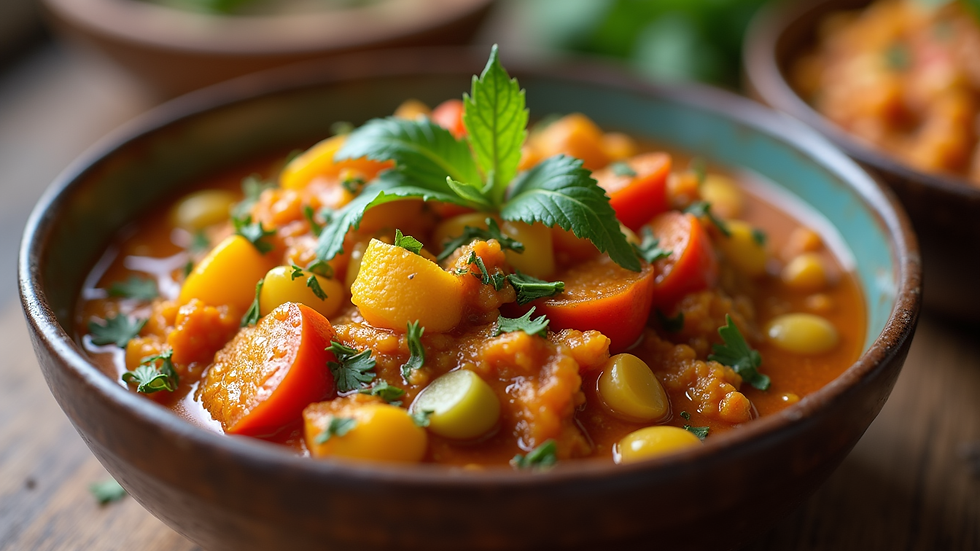
The Role of Spices in Healthy Indian Food
Spices are the heart of Indian cooking, and they do more than just add flavor. Many spices have medicinal properties that contribute to health and healing. Turmeric, for example, is renowned for its anti-inflammatory benefits. Cumin aids digestion, while ginger and garlic boost immunity.
Incorporating these spices thoughtfully enhances the nutritional value of dishes. We can encourage caterers to use fresh, high-quality spices and avoid excessive salt or artificial additives. This approach aligns perfectly with the philosophy of wholesome, healing food.
Why Choose Healthy Indian Food Catering?
Selecting healthy indian food catering means embracing a culinary experience that respects tradition and wellness. It allows us to offer guests meals that are satisfying, vibrant, and nourishing. Whether it’s a corporate event, wedding, or private party, this catering style ensures everyone leaves the table feeling good.
Moreover, healthy Indian catering supports sustainable practices by emphasizing fresh, seasonal ingredients and mindful cooking techniques. It’s a choice that honors both our bodies and the environment.
Bringing It All Together: Planning Your Event Menu
When planning your event menu, consider the following steps to ensure a seamless and healthy Indian catering experience:
Consult with the Caterer
Discuss your health goals and dietary preferences. A good caterer will customize the menu to suit your needs.
Sample the Menu
Request tastings to experience the balance of flavors and textures.
Consider Dietary Restrictions
Include vegetarian, vegan, and gluten-free options to accommodate all guests.
Plan Portion Sizes
Healthy catering doesn’t mean large portions. Smaller, well-balanced servings encourage mindful eating.
Add Beverage Pairings
Traditional drinks like masala chai or fresh lime soda complement the meal and aid digestion.
By taking these steps, we create an event that is memorable for its authenticity, taste, and healthfulness.
A Feast for the Senses and the Soul
Indian cuisine is more than just food - it is a celebration of culture, history, and wellness. When we choose healthy Indian catering, we invite our guests to experience this rich heritage in a way that nurtures the body and delights the senses. The vibrant colors, aromatic spices, and wholesome ingredients come together to create a feast that is both healing and joyful.
Let us embrace this culinary journey with open hearts and appetites, knowing that every dish served is a step towards a healthier, happier gathering.


Comments