Experience Authentic Indian Cuisine with Saffron & Turmeric
- Saffron & Turmeric

- Apr 13
- 4 min read
Indian cuisine is a vibrant tapestry of flavors, colors, and aromas that captivates the senses. Among the myriad of spices that define this culinary tradition, saffron and turmeric stand out not only for their unique tastes but also for their rich histories and cultural significance. This blog post will take you on a journey through the world of authentic Indian cuisine, highlighting the roles of these two remarkable spices, and offering practical tips for incorporating them into your cooking.

The Essence of Indian Cuisine
Indian cuisine is not just about food; it is an experience that reflects the country’s diverse culture and traditions. Each region boasts its own specialties, influenced by local ingredients, climate, and historical interactions. From the spicy curries of the South to the rich, creamy dishes of the North, Indian food offers something for everyone.
Key Characteristics of Indian Cuisine
Spices: The use of spices is fundamental in Indian cooking. They not only enhance flavor but also provide health benefits.
Variety: With over 1,000 distinct dishes, Indian cuisine is incredibly diverse, catering to various dietary preferences, including vegetarian and vegan options.
Cooking Techniques: Techniques such as roasting, frying, and steaming are commonly used, often in combination to create complex flavors.
The Role of Saffron in Indian Cooking
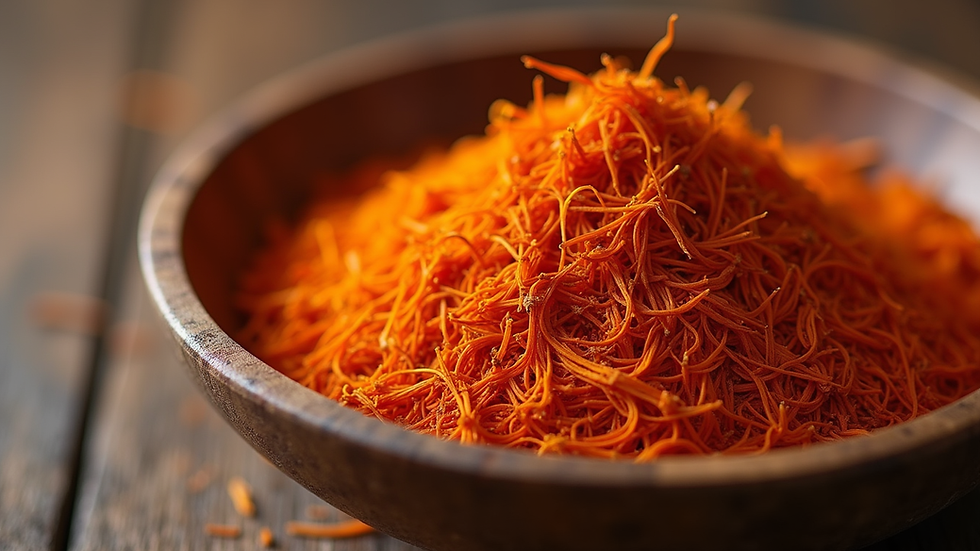
Saffron, derived from the flower of Crocus sativus, is the most expensive spice in the world. Its delicate threads impart a golden hue and a unique flavor to dishes, making it a prized ingredient in Indian cuisine.
Culinary Uses of Saffron
Biryani: This iconic rice dish often features saffron, which adds a luxurious aroma and color.
Kheer: A traditional rice pudding, kheer is often flavored with saffron, enhancing its richness.
Curries: Some curries incorporate saffron to elevate their flavor profile, providing a subtle sweetness.
Health Benefits of Saffron
Saffron is not just a culinary delight; it also offers several health benefits, including:
Antioxidant Properties: Saffron contains powerful antioxidants that help combat oxidative stress.
Mood Enhancement: Some studies suggest that saffron may help improve mood and alleviate symptoms of depression.
Anti-Inflammatory Effects: Saffron has been shown to reduce inflammation, making it beneficial for overall health.
The Importance of Turmeric in Indian Cuisine
Turmeric, known as "haldi" in Hindi, is another cornerstone of Indian cooking. Its vibrant yellow color and earthy flavor make it a staple in many dishes.
Culinary Uses of Turmeric
Curries: Turmeric is a key ingredient in most curry powders, providing both color and flavor.
Rice Dishes: Turmeric is often added to rice dishes, such as pulao, to enhance their appearance and taste.
Marinades: It is commonly used in marinades for meats and vegetables, imparting a warm, earthy flavor.
Health Benefits of Turmeric
Turmeric is renowned for its health benefits, largely attributed to its active compound, curcumin. Some of the benefits include:
Anti-Inflammatory Properties: Turmeric is widely recognized for its ability to reduce inflammation in the body.
Digestive Health: It aids digestion and can help alleviate symptoms of bloating and gas.
Immune Support: Turmeric may boost the immune system, helping the body fight off infections.
How to Incorporate Saffron and Turmeric into Your Cooking
Now that you understand the significance of saffron and turmeric, let’s explore some practical tips for incorporating these spices into your everyday cooking.
Tips for Using Saffron
Infuse Before Use: To maximize flavor, soak saffron strands in warm water or milk for about 10-15 minutes before adding them to your dish.
Use Sparingly: A little goes a long way. Just a pinch of saffron can transform a dish.
Pair with Creamy Dishes: Saffron works beautifully in creamy sauces and dishes, enhancing their richness.
Tips for Using Turmeric
Combine with Black Pepper: To enhance the absorption of curcumin, pair turmeric with black pepper.
Add Early in Cooking: For the best flavor, add turmeric at the beginning of the cooking process.
Experiment with Smoothies: Turmeric can be added to smoothies for a health boost without overpowering the flavor.
Popular Indian Dishes Featuring Saffron and Turmeric
To truly appreciate the flavors of saffron and turmeric, here are some popular Indian dishes that showcase these spices:
1. Biryani
Biryani is a fragrant rice dish layered with marinated meat or vegetables, often enhanced with saffron. The combination of spices, saffron, and tender meat creates a dish that is both aromatic and satisfying.
2. Butter Chicken
This creamy tomato-based curry is a favorite among many. Turmeric is used in the marinade, while saffron can be added to the sauce for an extra touch of luxury.
3. Paneer Tikka
A vegetarian delight, paneer tikka features marinated paneer (Indian cottage cheese) grilled to perfection. Turmeric adds color and flavor to the marinade, making it a must-try dish.
4. Saffron Rice
Simple yet elegant, saffron rice is made by infusing basmati rice with saffron strands. This dish is perfect as a side or base for curries.
Conclusion
Saffron and turmeric are not just spices; they are integral to the identity of Indian cuisine. Their unique flavors and health benefits make them essential ingredients in many dishes. By incorporating these spices into your cooking, you can elevate your meals and experience the rich culinary heritage of India.
As you explore the world of Indian cuisine, remember to experiment with saffron and turmeric in your own kitchen. Whether you’re preparing a traditional biryani or a simple saffron rice, these spices will undoubtedly enhance your culinary creations. So, gather your ingredients, and embark on a flavorful journey that celebrates the essence of authentic Indian cooking.


Comments